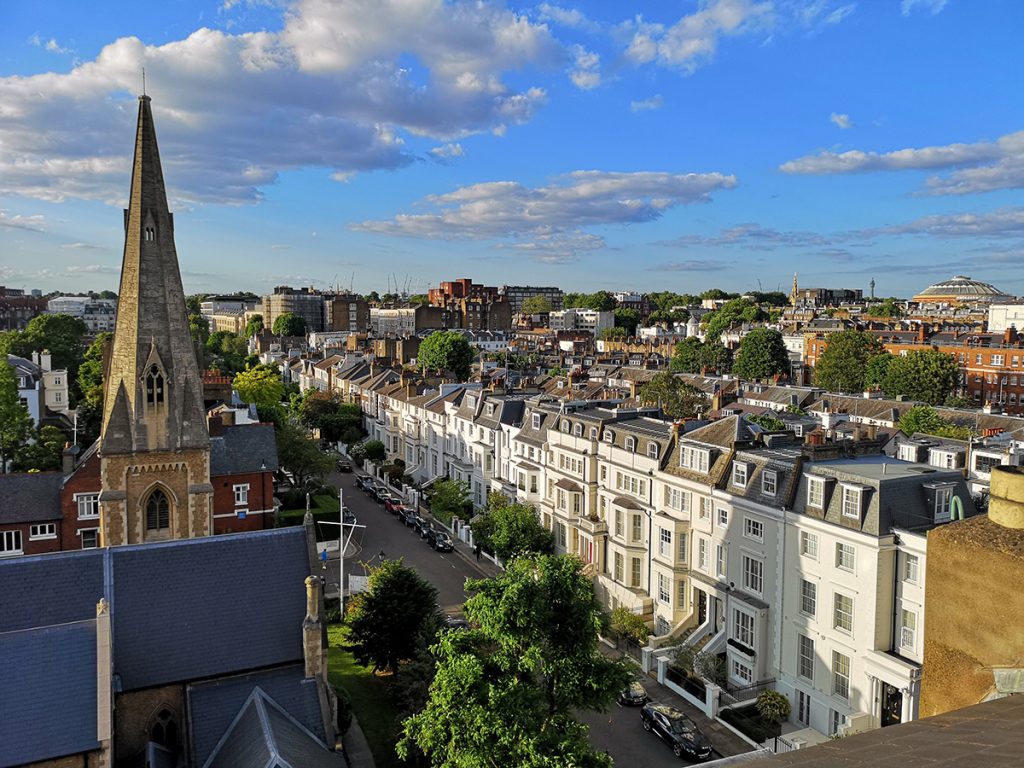
A multi-unit freehold block (MUFB) is a single building split into two or more self-contained flats, all held under one freehold title. For landlords, it means several rental incomes from one purchase, one mortgage and one roof.
MUFBs have become a popular next step for landlords who want to scale beyond single lets without taking on the licensing and management load of an HMO. They are also more complex to finance, value and run than a standard buy-to-let. This guide explains what counts as an MUFB, how lenders look at them, what you will pay in stamp duty, and what to think about before you buy.
What counts as an MUFB?
“MUFB” is lending shorthand, not a legal category. Most lenders treat a building as an MUFB when it has two or more self-contained units on one freehold title. Typical examples include:
- A Victorian terrace converted into three or four flats
- A purpose-built block of six to ten flats
- A house with a self-contained annexe or garden flat on the same title
The key word is self-contained. Each flat has its own front door, kitchen and bathroom, and is let on its own tenancy. That is what separates an MUFB from an HMO, where unrelated tenants share facilities.
An MUFB is also different from a block that has already been split into individual leasehold flats. With an MUFB you own the whole building outright, and the flats have not been sold off on long leases.
One grey area to watch is the Section 257 HMO. A building converted into flats before 1991 that does not meet 1991 Building Regulations, with fewer than two-thirds of the flats owner-occupied, can be classed as an HMO. Some councils require it to be licensed. Always check the conversion history and local licensing rules before you commit.
The pros and cons of an MUFB
The main appeal is efficiency: several income streams from one building, one purchase and usually one mortgage.
Advantages | Disadvantages |
Several rents from one purchase, so one void hurts less | Fewer lenders, and rates are often higher than standard buy-to-let |
One mortgage, one buildings policy, one set of legal fees | Larger deposit needed, and lenders may want landlord experience |
Often a higher yield than buying the same flats separately | The valuation can come in below what you paid (see below) |
Option to split the title and sell or refinance flats later | Stamp duty is calculated on the whole price |
Repairs to roof and structure are dealt with once | Shared-area compliance: fire safety, communal lighting, cleaning |
For many landlords, the deciding factor is whether the extra yield outweighs the higher finance costs and the extra management.
How MUFB mortgages work
An MUFB mortgage is a specialist buy-to-let loan secured on the whole building. High street lenders rarely offer them, so most deals come from specialist buy-to-let lenders. Criteria vary widely between lenders, and that is where a broker earns their fee.
Number of units. Specialist lenders commonly cap blocks at around 10 to 12 units, and some set a lower limit. Larger blocks, or larger loans, usually move to commercial lenders on different terms.
Loan to value. Expect a maximum of around 75% LTV, with the best rates usually reserved for lower LTVs. Some lenders also want to see that you already own other rental property.
Valuation method. This is the most important point to understand. A valuer may value the building in two ways:
- Aggregate value: the total of what each flat would sell for individually.
- Block value: what an investor would pay for the whole building, which is often lower.
Lenders that lend on aggregate value can offer noticeably more borrowing on the same building. Knowing which method a lender uses before you apply avoids an unwelcome surprise at valuation.
Rental stress test. As with any buy-to-let, the combined rent must cover the mortgage interest by a set margin at a stressed rate. Lenders usually assess the rent for each unit, so a realistic letting schedule matters. Our guide to rental stress tests explains how this calculation works.
Buying through a limited company. Many MUFB landlords buy through a special purpose vehicle (SPV) limited company, and most MUFB lenders accept this.
Stamp duty on an MUFB
Stamp duty has become more expensive for MUFB buyers in England and Northern Ireland. Until 1 June 2024, buyers could claim Multiple Dwellings Relief (MDR). MDR charged stamp duty on the average price per flat rather than the total price. That relief has now been abolished, so most MUFB purchases are taxed on the full purchase price at residential rates. The higher rates for additional dwellings also apply, which is currently a 5% surcharge on top of the standard rates.
There is one important exception. If you buy six or more dwellings in a single transaction, you can choose to have the purchase taxed at non-residential rates. These top out at 5% and carry no surcharge. On a larger block this can save a significant sum.
Stamp duty on mixed blocks and linked transactions can be complicated, and HMRC closely scrutinises MUFB claims. Take advice from a specialist tax adviser or conveyancer before you exchange. Scotland and Wales have their own property taxes, LBTT and LTT, with different rules.
Running an MUFB and planning your exit
Owning a block means owning the common parts as well as the flats. Before you buy, budget for:
- Compliance for each flat: an EPC, a gas safety certificate and an electrical safety report for each unit, plus deposit protection for each tenancy.
- Communal fire safety: a fire risk assessment for shared areas, along with alarms, emergency lighting and fire doors where needed.
- Shared services: communal electricity, cleaning, garden upkeep and buildings insurance for the whole block.
- The Renters’ Rights Act: periodic tenancies and the new possession grounds apply to every flat, so plan for each unit separately. See our Renters’ Rights Act guide.
It is worth thinking about your exit route at the start. Many landlords plan to split the title later, creating long leases on each flat. You can then sell flats individually, refinance them separately, or pass them on. Splitting needs your lender’s consent, a lease for each flat, and a plan for managing the building afterwards. Done well, it can unlock value. Done without planning, it can create a leasehold headache.
Frequently asked questions
What does MUFB stand for? Multi-unit freehold block: a building containing two or more self-contained flats held on one freehold title.
How many flats make an MUFB? For most lenders, two is enough. Specialist buy-to-let lenders commonly finance blocks of up to around 10 to 12 units. Beyond that, the loan usually becomes a commercial mortgage.
Is an MUFB the same as an HMO? No. In an MUFB each flat is self-contained with its own kitchen and bathroom. An HMO has shared facilities. Some older conversions can still be classed as Section 257 HMOs, so check the building’s history.
Can I get an MUFB mortgage as a first-time landlord? It is possible, but your choice of lenders will be narrower. Many lenders prefer applicants who already own rental property, and a larger deposit helps.
Can I buy an MUFB through a limited company? Yes. Most MUFB lenders accept SPV limited companies, and many landlords use them. Speak to a tax adviser about whether this suits your circumstances.
Why might the valuation be lower than the price I’m paying? The valuer may use the block value, meaning what an investor would pay for the whole building, rather than the total value of the individual flats. Choosing a lender that uses aggregate value can increase how much you can borrow.
Can I still claim Multiple Dwellings Relief? No. MDR was abolished for purchases completing on or after 1 June 2024. If you buy six or more dwellings in one transaction, you may be able to use non-residential stamp duty rates instead.
Do I need a separate EPC and gas certificate for each flat? Yes. Each self-contained flat needs its own EPC, gas safety certificate and electrical safety report. Communal areas need a fire risk assessment.
Can I sell individual flats later? Yes, once you split the title into individual leases. You’ll need your lender’s consent and legal advice.
At 3mc, we have a team of expert advisers who can discuss all your mortgage requirements. If you would like to discuss your options, give the 3mc team a call on 0161 962 7800.
All calls are recorded for training and monitoring purposes. 3mc for intermediaries only.
*Your home may be repossessed if you do not keep up repayments on your mortgage. 3mc (UK) Ltd is authorised and regulated by the Financial Conduct Authority and is entered on the Financial Services Register https://register.fca.org.uk/s/ under reference 302992. Please note: The FCA do not regulate Business Buy to Let Mortgages.